

If your hair topper clips hurt, support the base and open the painful attachment. Take the piece off if pulling continues. Once the hair is free, check for trapped strands, a stretched base or clips gripping hair that cannot comfortably support them. Give a sore area a break before fitting the topper again.
A removable clip-in topper should feel comfortable as you turn your head and go about your day. You can notice that you're wearing it without feeling a sharp pinch, persistent tugging or stinging. Pain calls for a change in the attachment.
Release the clip before trying to fix the hairstyle
Keep one hand against the base near the uncomfortable clip so the piece cannot drop or drag. Open that clip fully and gently free the hair from its teeth. If the base still pulls, open the remaining clips and remove the topper, checking for caught strands before lifting it away.
Avoid sliding a closed clip across your scalp or lifting the topper by its lengths. Both movements can tug on hair that is still attached. Our hair topper fitting and removal guide shows how to support the base through this process.
With the piece off, look at the attachment area. If your scalp remains tender, looks irritated or has broken skin, leave the topper off. If freeing a trapped strand resolves the discomfort and the skin feels normal, inspect the clip before another fitting.
Does wearing a hair topper cause hair loss?
It can when the attachment repeatedly pulls on vulnerable hair. That risk depends on the hair supporting the clips, the fit and the tension during wear and removal. Wearing a topper does not automatically cause hair loss.
The American Hair Loss Association identifies repeated attachment to weak hairs, excessive tension and a piece that is too heavy for its supporting hair as potential problems. A secure-looking topper can still be pulling at its anchors.
Repeated pulling can lead to traction alopecia. The American Academy of Dermatology lists pain, stinging and skin pulled upward by a hairstyle among reasons to change it. Broken hairs or a new thinning patch also need attention.
Soreness alone doesn't tell you which type of hair loss you have. If thinning is new or increasing, a dermatologist can identify the cause. For now, release the attachment causing discomfort and keep it away from the affected area.
Match the discomfort to a fitting check
Use the timing and location to choose your first check, with the topper removed.
| What happens | What to inspect | What to change |
|---|---|---|
| One spot pinches as soon as a clip closes | Hair caught, twisted or bunched in that clip | Open it fully, free the strands and arrange the hair in its natural direction before refitting. |
| The front starts pulling when the back clips close | Whether the base is being stretched between attachments | Reopen the clips and let the base rest on the head before fastening. |
| It becomes uncomfortable after a ponytail, tuck or brushing | Whether the hairstyle or grooming stroke is pulling against the clips | Release the attachment, loosen the style and detangle with the piece off. |
| A clip feels scratchy or presses at one point | The off-head clip, its teeth, surface and attachment to the base | Stop using damaged hardware and arrange repair or replacement guidance. |
| Tenderness, stinging or irritation remains after removal | The scalp as well as the fitting | Leave the piece off; seek medical advice for persistent symptoms or visible scalp changes. |
When a single clip catches hair
A few crossed strands can pull even when the rest of the base sits comfortably. With the clip open, separate the caught hair gently. If it resists, support the piece and work the strands free without yanking.

Inspect the clip off your head. Look for bent teeth, a rough edge, hair wrapped around it or a loose attachment to the base. Test its opening and closing action away from your scalp. Stop if it is damaged or won't operate normally; extra pressure against your head won't correct the hardware.
If the clip is intact and the area feels normal, try a fresh section of suitably strong hair in the correct wearing position. Close the clip without scooping the hair tightly upward. The hair should follow its normal direction with no pinch as the clip closes.
When the whole piece feels too tight
Watch what happens as you secure the back. If the front begins pulling only then, release the back attachment and check the base position. Stretching the base backward can put the front clips under tension.

Refit with all clips open and the base resting flat. Keep the intended coverage in place while checking where each clip will land. Slight repositioning can help when it moves the attachments onto suitable hair, but all the anchors still need to work together.
If one clip can reach usable hair only by stretching the base or exposing the area you want covered, the footprint or attachment layout needs reconsidering. Continually moving the same unsuitable piece around can trade one uncomfortable spot for another.
If several attachment sites hurt even with the base relaxed, stop refitting. The supporting hair or attachment method needs assessment before you try more positions. That situation needs a different response from freeing one caught strand.
When it hurts only after styling
A high ponytail, a tight tuck behind the ears or a comb caught in a tangle can pull on the attachment points. Release the uncomfortable clip before rearranging the style.
Start again with the lengths loose. Detangle off your head, working from the ends upward while supporting the base. After fitting, try a relaxed tuck or low style and check the edges and your comfort as you move. If that style brings the tugging back, let the hair down.
For an appearance problem, use the front-hair and side-blending methods in our natural-looking topper guide. Pulling the piece tighter to hide an edge adds an attachment problem to a styling problem.
Check where the clips land before choosing a lighter topper
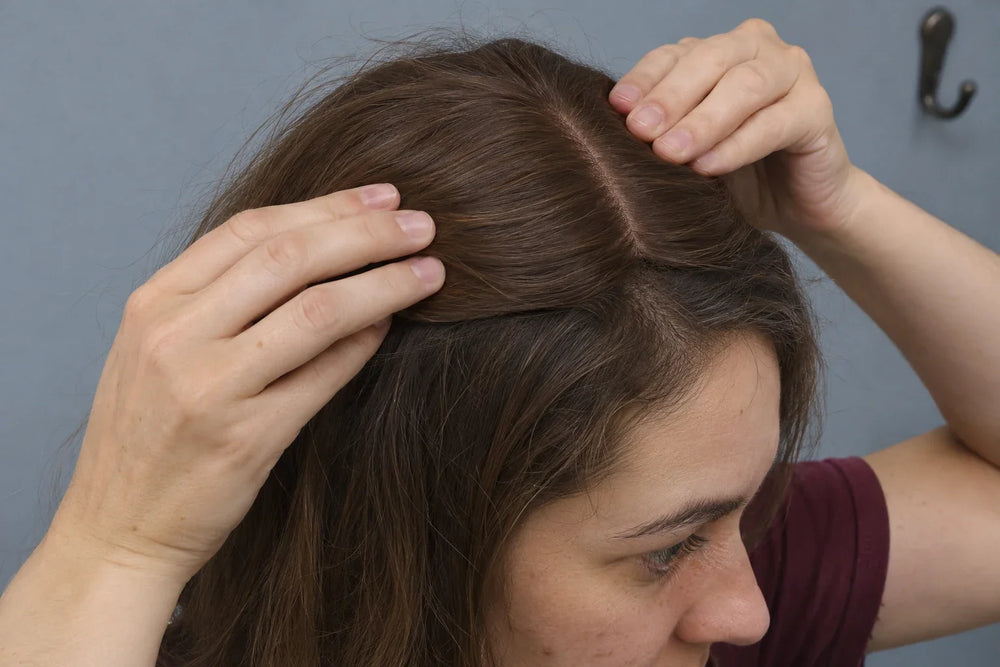
Look at the hair around the area you want covered. The base needs to reach attachment points that can support it comfortably. A small base may cover the visible part but leave its clips gripping fine, fragile hair close to that part.
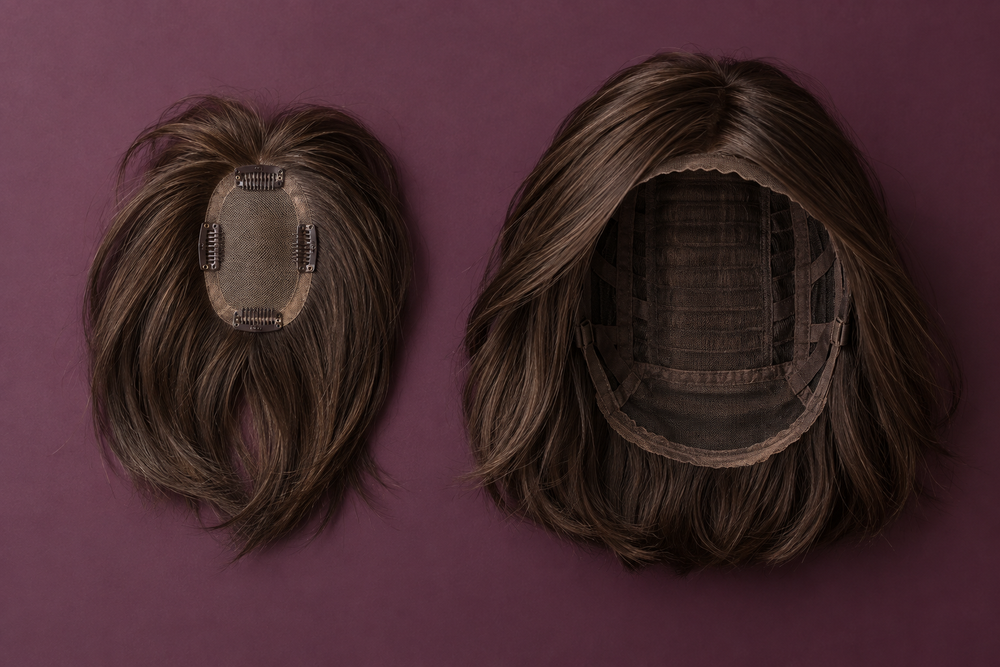
EWIGSC's straight toppers illustrate why both dimensions and weight matter. The 14-inch part-coverage topper has a 4.3 脳 3.0 in silk base, three snap clips and an approximate weight of 27 g. The 14-inch straight crown topper has a broader 4 脳 4.8 in base and weighs approximately 50 g.
The compact piece suits a smaller coverage footprint; the broader piece reaches a different area. Compare where their attachments would sit on your head. Choosing 27 g simply because it weighs less won't help if its clips land on hair that cannot support them. A broader base also adds hair and weight, so its size alone doesn't establish a better fit.
Our Hair Toppers collection brings the footprints together for comparison. Use the topper-versus-wig selection guide if you're unsure how much coverage or remaining attachment hair you need.
The silk surface creates the appearance of scalp at the part. The clips still transfer the attachment load to your own hair. If no suitable anchor hair is available, consider a system designed around another fastening method with an experienced fitter. A full wig also needs an appropriate fastening arrangement; switching to another clip-dependent piece doesn't remove that requirement.
Make the next fitting a comfort check
Refit only when the attachment area feels normal and the skin is intact. Correct the problem you identified, then close the clips with the base relaxed. Turn your head gently, look down and arrange the hair in the style you intend to wear.
If pulling returns, remove the topper and stop repeating the same fitting. Recurring discomfort calls for a closer look at the footprint, hardware and supporting hair. Persistent scalp symptoms or new hair changes need medical assessment.
EWIGSC's removable clip-in construction lets you take the piece off and reposition it without adhesive removal. Use that flexibility when something feels wrong. Keep the hair loose between fittings and remove the topper before sleeping so the attachments aren't pulled as you move against the pillow.
Questions about clips, wear time and alternatives
How many hours can I wear a topper without damaging my hair?
There is no single hour limit that makes a painful fitting safe. Start with a comfortable attachment and respond to changes during wear. Take the piece off if pulling or soreness develops, and remove it before sleep. A schedule that gradually adds hours won't correct weak anchor hair or an unsuitable base.
Can a topper grip stop the clips hurting?
A compatible topper grip can change how a piece is supported, sometimes allowing clips to attach to the grip instead of directly to hair. The grip and topper need to work together without pressure or pulling. A tight band or wire can create its own discomfort, so check the complete fitting. An ordinary wig cap covering your hair is a different item and doesn't automatically provide a place for topper clips to attach.
Should I remove a painful clip or sew it somewhere else?
Have the attachment layout assessed before altering an EWIGSC topper. Removing a clip changes how the remaining anchors support the piece; moving it also changes where it lands. Don't cut clips out or add tape and glue as a quick pain fix. A fitter can assess whether the piece can be adapted appropriately or whether a different base or fastening system would suit you better.
Will the hair grow back if I stop wearing the topper?
If the loss is caused by traction, stopping that pulling is important. University of Iowa Health Care explains that early traction-related loss can recover, while longstanding damage may cause permanent loss. Other causes of thinning need different care. Have a new or growing patch assessed instead of assuming that taking the topper off will resolve it.
References & Sources
1. American Academy of Dermatology: Hairstyles that pull can lead to hair loss. Traction, warning signs and when to seek assessment.
2. American Hair Loss Association: Hair Toppers for Women. Clip attachment, remaining hair, base selection and topper grips.
3. University of Iowa Health Care: Traction alopecia: A type of hair loss. Repeated pulling and the difference between early and longstanding traction-related loss.
0 comments